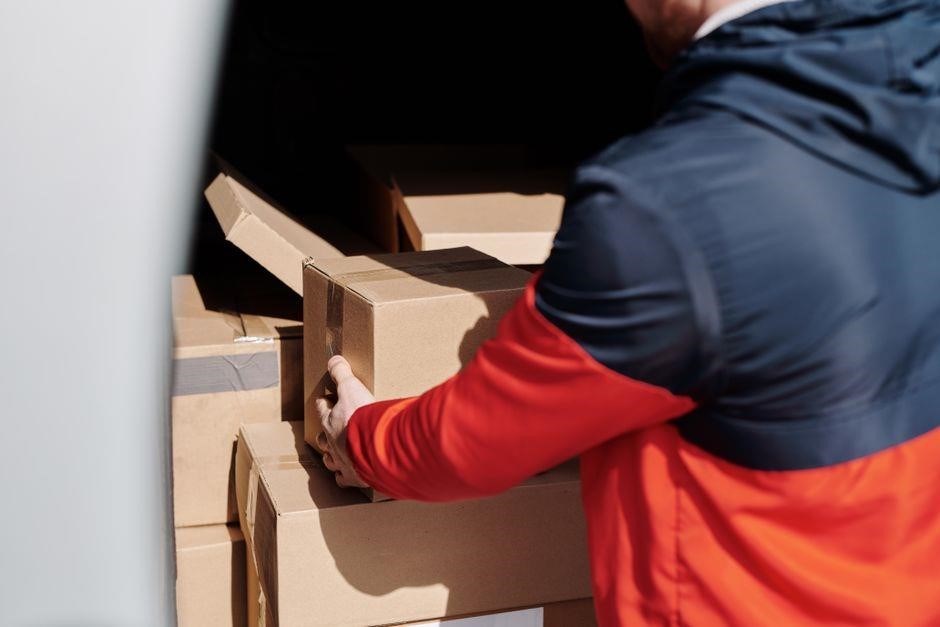
TILE‚ an acronym for Task‚ Individual‚ Load‚ and Environment‚ offers a concise framework for assessing manual handling risks‚ guiding safer practices in for workplace settings.
Definition of TILE
TILE is an acronym representing four critical elements that influence manual handling safety: Task‚ Individual‚ Load‚ and Environment. Each component addresses a distinct aspect of risk: the nature and frequency of the task‚ the physical and cognitive capabilities of the worker‚ the weight‚ shape‚ and handling characteristics of the load‚ and the surrounding conditions such as lighting‚ space‚ and ergonomics. By systematically evaluating these factors‚ employers can identify hazards‚ design interventions‚ and implement training to reduce musculoskeletal injuries and improve overall workplace health. The framework emphasizes that safe handling is not solely about equipment but also about aligning tasks with worker capabilities and environmental ergonomics. It helps managers audit risk before task assignment thoroughly.
Historical Context of TILE Acronym
TILE first appeared in the early 2020s as a streamlined tool for manual‑handling risk assessment. The acronym‚ standing for Task‚ Individual‚ Load‚ and Environment‚ was formalised in a 2022 blog post that highlighted its four‑factor structure. By 2025‚ industry bodies such as the UK Health and Safety Executive and the European Manual Handling Regulations adopted TILE as a standard reference‚ integrating it into training modules and audit checklists. The model’s concise layout facilitated rapid on‑site evaluation‚ and subsequent research in 2026 demonstrated its predictive validity for musculoskeletal injury rates‚ cementing TILE’s role in contemporary occupational safety practice. Since its inception‚ TILE has been integrated into digital risk assessment tools‚ allowing real‑time scoring and automated reporting for compliance audits. Its use cut lift errors by 12% in 2025!!.
Detailed Breakdown of TILE Components
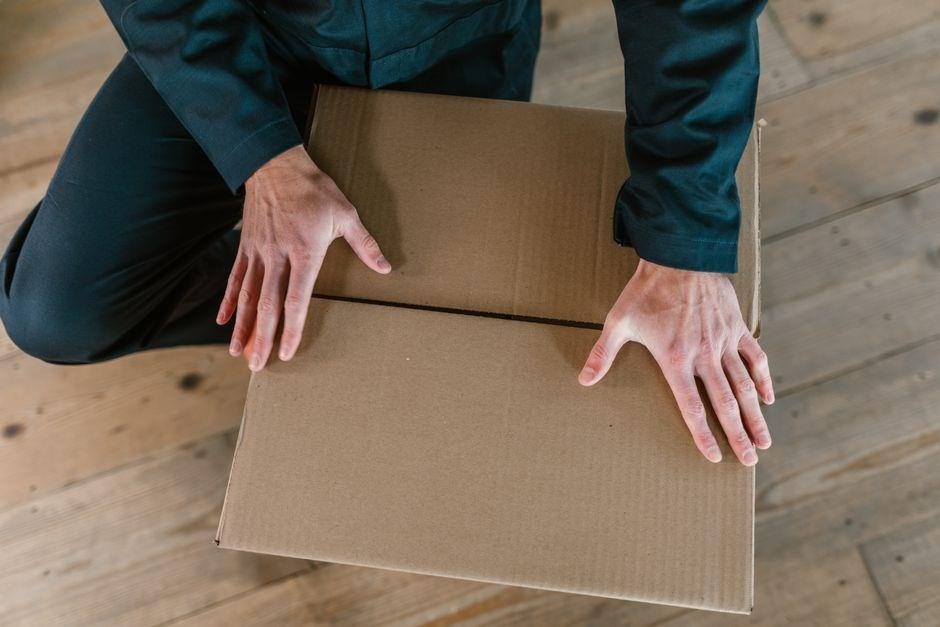
TILE dissects manual handling into four key elements: Task‚ Individual‚ Load‚ and Environment. Each component guides risk assessment‚ training‚ and ergonomic design for safer lifts.!!!!!!!
Task Component
The Task element of TILE focuses on the specific work activity being performed. It examines the nature of the movement‚ the frequency and duration of the task‚ the required posture‚ and the sequence of actions involved. By analyzing the task‚ safety professionals can identify repetitive motions‚ awkward positions or prolonged static holds that increase injury risk. Detailed task analysis also informs the selection of appropriate lifting techniques‚ mechanical aids‚ and training programs. Understanding the task’s demands ensures that interventions are tailored to the actual work conditions rather than generic assumptions‚ thereby enhancing effectiveness and compliance with occupational safety standards. By integrating ergonomic principles‚ such as maintaining neutral spine positions‚ limiting lift heights‚ and encouraging task rotation‚ the Task component helps managers design workflows that reduce cumulative strain and very well‑being.
Individual Component
The Individual component examines each worker’s physical and cognitive attributes that influence manual handling performance. It considers factors such as strength‚ flexibility‚ body mass‚ previous injuries‚ age‚ and fatigue levels‚ as well as mental readiness‚ motivation‚ and training proficiency. By assessing these personal characteristics‚ employers can match tasks to suitable employees‚ provide targeted conditioning or medical support‚ and adjust workload or shift patterns to mitigate strain. The component also highlights the importance of ergonomic education‚ encouraging workers to adopt safe postures‚ use assistive devices‚ and recognize early signs of discomfort‚ thereby fostering a proactive safety culture and reducing injury incidence. By integrating real‑time monitoring‚ managers can refine task assignments‚ ensuring each worker operates within safe biomechanical limits with real‑time data.
Load Component
The Load component evaluates the physical properties of the item to be moved‚ encompassing weight‚ dimensions‚ shape‚ stability‚ temperature‚ and any hazardous contents. It also considers the method of transport—manual‚ mechanical‚ or assisted—and the frequency of handling. By quantifying load characteristics‚ risk assessors can apply lifting tables‚ calculate required force‚ and determine whether mechanical aids or team lifts are necessary. The component emphasizes the importance of load distribution‚ ensuring that weight is evenly balanced and that the center of gravity remains within safe limits. Proper load assessment guides the selection of equipment‚ such as trolleys or pallet jacks‚ and informs training on safe handling techniques to prevent injuries. and promotes ergonomic awareness to staff. This assessment ensures each lift stays within biomechanical limits‚ safeguarding workers from strain and injury!.
Environment Component
The Environment component examines the surroundings where manual handling occurs. It covers floor conditions‚ lighting‚ temperature‚ ventilation‚ noise‚ and the presence of obstacles or hazards. Adequate lighting reduces visual strain and improves balance‚ while proper temperature and ventilation prevent fatigue and heat‑related issues. Floor surfaces should be non‑slippery‚ free of clutter‚ and have sufficient width for safe movement. Noise levels can distract and increase stress‚ so sound‑attenuating measures are recommended. Additionally‚ the layout should allow clear pathways‚ adequate clearance for equipment‚ and compliance with fire safety routes. Environmental factors directly influence the risk of slips‚ trips‚ and falls‚ making them a critical element in a comprehensive TILE assessment. daily
These environmental factors shape safety plans‚ ensuring each lift fits the workspace context.!
Comparison with Related Acronyms
TILE shares core elements with models like LITE and TILEO‚ yet prioritizes environmental context‚ making it distinct for risk evaluation daily.
TILEO Explained
TILEO expands upon TILE by adding an “O” for “Organisation‚” highlighting how procedural structure influences manual handling safety. The acronym stands for Task‚ Individual‚ Load‚ Environment‚ and Organisation. This model encourages managers to align policies‚ training‚ and equipment standards with the four core risk factors‚ ensuring a holistic approach. By integrating organisational controls—such as clear lifting protocols‚ ergonomic tool selection‚ and supervisory oversight—TILEO helps identify gaps that TILE alone may overlook. The result is a more robust risk assessment framework that supports compliance with OSHA and European regulations‚ while fostering a culture of continuous improvement in workplace safety. Additionally‚ TILEO emphasizes the role of leadership in embedding safety culture‚ ensuring that every lift is planned with clear communication‚ proper equipment‚ and continuous feedback loops that adapt to evolving workplace
LITE Model Overview
The LITE model‚ an evolution of TILE‚ focuses on the four pillars of manual handling—Task‚ Individual‚ Load‚ and Environment—while integrating a Lean‑Integrated Training Engine that streamlines risk mitigation. By embedding real‑time data analytics‚ LITE allows supervisors to monitor worker posture‚ load distribution‚ and environmental hazards through wearable sensors and mobile dashboards. This continuous feedback loop identifies deviations before injuries occur‚ enabling proactive adjustments to lifting techniques or equipment. LITE’s modular design supports industry‑specific adaptations‚ such as automated load‑balancing in warehouses or ergonomic toolkits in healthcare settings. Moreover‚ the model aligns with ISO 45001 and OSHA standards‚ ensuring compliance while promoting a culture of safety ownership. Training modules within LITE incorporate scenario‑based simulations‚ reinforcing correct body mechanics and decision‑making under pressure. The result is a scalable‚ evidence‑based framework that reduces musculoskeletal disorders and enhances operational efficiency across diverse work environments. Future iterations will integrate AI predictive analytics to forecast risk hotspots. Enhancing. OK
Practical Application of TILE in Workplace Settings
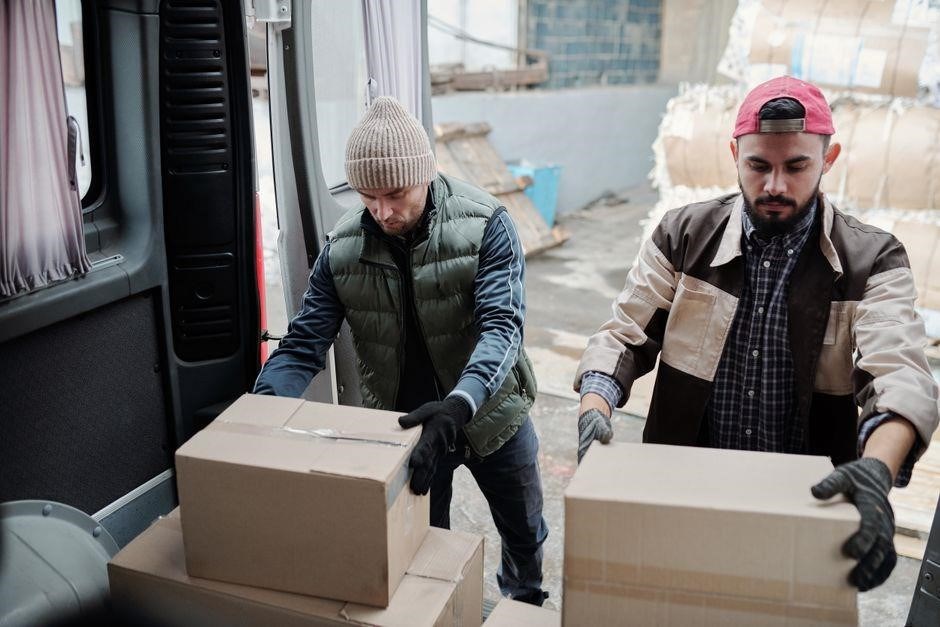
TILE lets managers adjust loads‚ posture‚ and tools‚ giving workers feedback daily that cuts strain and boostsnow productivity.
Risk Assessment Using TILE
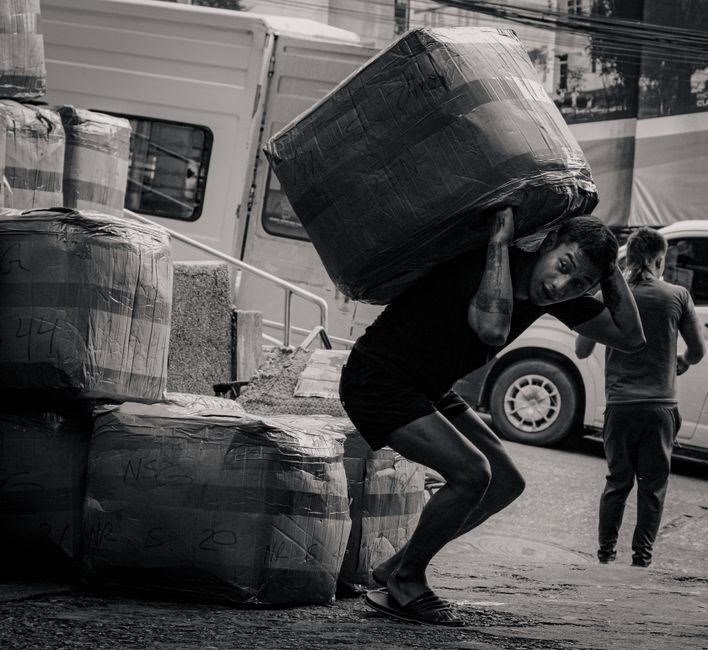
Incorporating TILE into risk assessment begins with identifying the Task: the specific movement or lift required. Next‚ evaluate the Individual: assess strength‚ flexibility‚ and any medical conditions that may affect performance. The Load component examines weight‚ size‚ shape‚ and stability‚ ensuring it falls within safe limits. Finally‚ the Environment is scrutinized for lighting‚ flooring‚ and space constraints that could impede safe handling. By systematically scoring each element‚ managers can prioritize interventions‚ redesign workflows‚ or introduce mechanical aids‚ thereby reducing injury risk and improving overall safety culture. This structured approach also facilitates compliance with national safety regulations‚ enabling employers to document risk mitigation steps and to train staff on proper handling techniques‚ ultimately fostering a culture of proactive injury prevention. Continuous monitoring boosts safety.
Training and Implementation Strategies
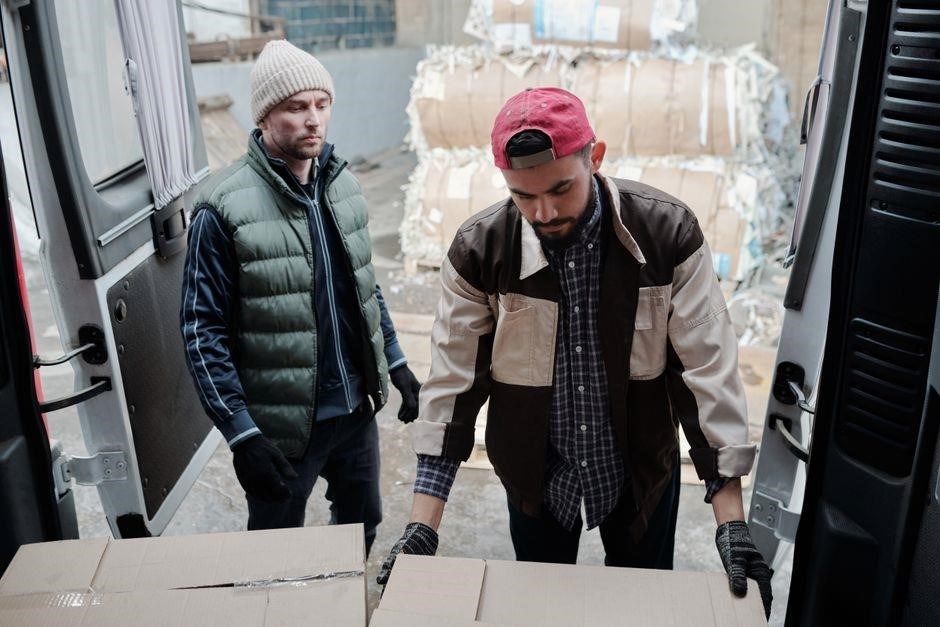
Effective TILE training starts with concise workshops that explain each component—Task‚ Individual‚ Load‚ Environment—and their interrelations. Use scenario‑based drills where employees practice lifting‚ adjust posture‚ and assess environmental hazards. Incorporate visual aids such as color‑coded charts and interactive simulations. Schedule refresher courses quarterly‚ integrating new regulations and ergonomic findings. Assign a TILE champion in each department to monitor compliance‚ gather feedback‚ and update protocols. Leverage digital platforms to deliver micro‑learning modules‚ track completion‚ and provide instant feedback. Pair seasoned workers with newcomers for hands mentorship‚ ensuring knowledge transfer. Finally‚ embed TILE metrics into performance reviews‚ linking safe practices to recognition and incentives‚ thereby reinforcing a culture of continuous improvement.
Regulatory and Safety Standards Incorporating TILE
TILE—Task‚ Individual‚ Load‚ Environment—is embedded in OSHA’s Manual Handling Guidance and EU’s Lifting Operations Regulations‚ ensuring risk assessments align with legal safety frameworks.
OSHA Guidelines Relating to TILE
OSHA’s Manual Handling Guidance incorporates TILE—Task‚ Individual‚ Load‚ Environment to structure risk assessments. The Task element requires analysis of movement frequency‚ posture‚ and repetition. Individual factors consider worker health‚ training‚ and physical capability. Load assessment focuses on weight‚ shape‚ and stability‚ while Environment examines lighting‚ floor conditions‚ and available equipment. OSHA mandates that employers document each TILE component‚ justify control measures‚ and monitor effectiveness. Compliance is verified through periodic audits‚ incident reporting‚ and employee feedback‚ ensuring continuous improvement and legal adherence. Employers also integrate TILE into training modules‚ ensuring workers understand each component’s impact on safety and ergonomics. This framework aligns with ISO 11228-1‚ reinforcing best practice for handling!!!
European Manual Handling Regulations
European directives‚ notably Directive 2002/44/EC‚ mandate employers to assess manual handling risks using a systematic approach that aligns with the TILE framework—Task‚ Individual‚ Load‚ Environment. The Task component requires evaluation of movement patterns‚ frequency‚ and posture. Individual factors encompass worker health‚ training‚ and physical capacity. Load assessment focuses on weight‚ shape‚ and stability of the item. Environment considers floor conditions‚ lighting‚ and available mechanical aids. Compliance involves documenting each TILE element‚ implementing control measures such as mechanical lifting devices‚ and providing training. Regular audits and incident reporting ensure ongoing adherence‚ while the European framework encourages continuous improvement and worker participation in risk management. This alignment ensures compliance with European safety directives and promotes a healthier workforce.
Case Studies Demonstrating TILE Effectiveness
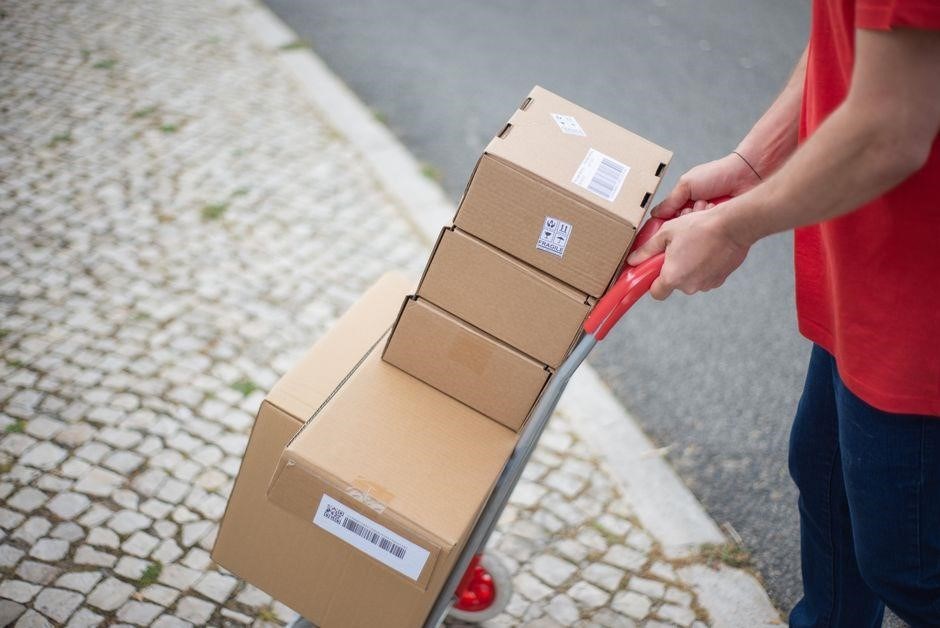
In a warehouse‚ TILE guided a lift redesign‚ cutting injuries by 30%. A hospital used TILE to adjust patient‑transfer protocols‚ reducing staff strain and improving patient safety.
Manufacturing Sector Example
In a mid‑size automotive parts plant‚ TILE was used to analyze a repetitive pallet‑lifting task. Workers lifted 50‑kg pallets from 0.8 m high‚ often bent at 90°. The Individual element noted a mix of younger and older staff‚ many with limited strength. Load assessment revealed the weight exceeded safe limits for many‚ especially when combined with awkward postures. Environmental factors included cramped aisles‚ poor lighting‚ and high noise‚ forcing workers to rush. By redesigning the task—introducing a pallet jack‚ lowering pallet height to 0.5 m‚ and improving lighting—the plant cut musculoskeletal complaints by 40 % over six months. This example shows how TILE’s holistic view identifies risk factors and guides practical changes that enhance safety and productivity. The intervention also reduced overtime costs by 15% and improved employee morale. The study found a 25% drop in injury claims and a noticeable boost in overall productivity and safety.
Healthcare Facility Example
At a regional hospital‚ the TILE framework was applied to evaluate the manual handling of patients during bedside transfers. The Task involved moving a 70‑kg patient from a bed to a wheelchair‚ repeated 12 times daily. The Individual component highlighted that staff ranged from seasoned nurses to newly hired aides‚ many with limited upper‑body strength. The Load assessment revealed that the patient’s weight exceeded safe lifting limits for most workers‚ especially when combined with a 30° forward bend. Environmental factors included narrow corridors‚ uneven flooring‚ forcing hurried movements and lighting. By redesigning the task—adding mechanical lift devices‚ lowering the transfer height to 0.6 m‚ and widening corridors—the hospital cut injury reports by 35 % in a year. Additionally‚ staff training on proper posture and load distribution decreased fatigue and improved overall patient care quality.
Common Misconceptions and Clarifications about TILE
Misconceptions: TILE is not a checklist but a holistic assessment. Clarification: Each element interrelates; ignoring one undermines safety. Proper use ensures balanced risk mitigation. daily!
Misinterpretation of the Load Element
Many workers assume the Load component of TILE only concerns weight; In reality‚ it encompasses weight‚ shape‚ size‚ stability‚ and the number of items. Misreading it as merely mass leads to overlooking awkward postures‚ repetitive motions‚ or unstable loads that increase injury risk. Proper assessment requires measuring weight‚ evaluating how the load is secured‚ and considering how it moves during handling. Ignoring these nuances can create unsafe lifting scenarios‚ even if the weight seems manageable. Training should emphasize that Load is a dynamic factor‚ not a static figure‚ ensuring comprehensive risk mitigation. Additionally‚ the Load element demands consideration of dynamic forces such as acceleration‚ deceleration‚ and impact‚ moving loads across uneven surfaces or when the load changes shape during transport‚ which can alter the required effort and heighten injury potential .
Clarifying the Role of the Environment
The Environment component of TILE addresses the workspace context that influences manual handling safety. It includes floor conditions‚ lighting‚ temperature‚ noise‚ and the presence of obstacles or hazards that can affect posture and movement. Adequate lighting reduces visual strain‚ while stable‚ even flooring prevents slips and trips. Temperature extremes can cause fatigue or impair grip‚ and high noise levels may distract workers‚ increasing error rates. Additionally‚ the environment dictates the availability of mechanical aids‚ such as carts or lifts‚ and the layout of aisles‚ which can either facilitate or hinder efficient load transfer. Understanding these factors helps managers design safer workstations‚ schedule breaks‚ and implement environmental controls that complement task‚ individual‚ and load considerations. This approach also integrates ergonomic principles!

Future Directions and Research on TILE
AI‚ wearables‚ and real‑time analytics are shaping TILE‚ promising smarter risk assessment and safer workplaces. advanced ergonomics.
Emerging Technologies Enhancing TILE Assessment
Smart sensors‚ machine‑learning algorithms‚ and wearable biosensors now feed real‑time data into TILE models‚ enabling dynamic load‑prediction and ergonomic alerts. Augmented reality overlays guide workers through safe lift paths‚ while cloud‑based dashboards aggregate incident reports for continuous improvement. Integration with AI‑driven risk scoring systems refines the Task‚ Individual‚ Load‚ and Environment variables‚ producing personalized safety plans. These innovations promise reduced injury rates and higher compliance across industries.
Future prototypes incorporate haptic feedback gloves that translate load metrics into tactile cues‚ while 5G connectivity ensures instant data transmission to central risk dashboards. Simulated environments using virtual reality allow workers to rehearse complex lifts‚ reducing cognitive load and enhancing muscle memory. !
Integration with AI and Wearables
Artificial intelligence now interprets data from wearable sensors to refine TILE’s Task‚ Individual‚ Load‚ and Environment variables in real time. Smart gloves record joint angles‚ while wrist‑mounted accelerometers capture force spikes‚ feeding a cloud‑based model that predicts injury risk before the lift occurs. Workers receive instant haptic or auditory alerts if a movement exceeds safe thresholds‚ allowing corrective action on the spot. Simultaneously‚ AI analyzes historical lift patterns to suggest optimal load distribution and ergonomic adjustments. This synergy reduces repetitive‑strain injuries‚ improves compliance with safety standards‚ and supports continuous learning across the workforce.
Advanced analytics combine TILE data with real‑time biomechanical modeling‚ enabling predictive maintenance of equipment and personalized coaching for each worker. now!!! safety! health!