
All-Terrain Trail Guide Tires: A Comprehensive Overview (12/21/2025)
Today’s date is 12/21/2025 23:29:56 (). All-terrain tires expertly blend on and off-road capabilities‚ offering versatile traction for diverse driving adventures and conditions.
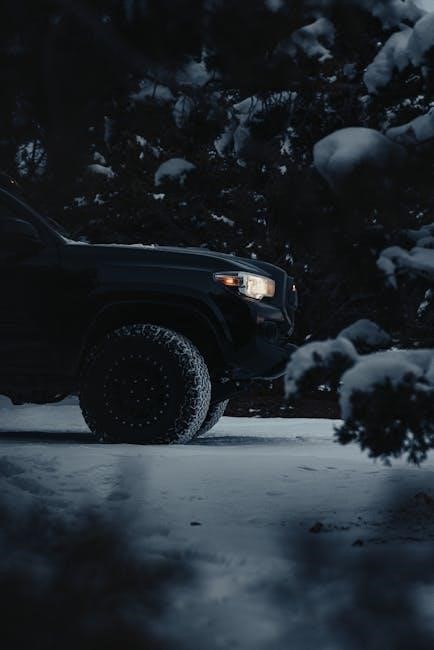
All-terrain (AT) tires represent a compelling compromise for drivers seeking capability beyond standard highway tires‚ yet desiring a comfortable on-road experience. These tires bridge the gap between dedicated off-road mud-terrain tires and everyday street tires‚ offering a versatile solution for a wide range of vehicles and driving styles. They are engineered to provide reliable traction on various surfaces‚ including pavement‚ gravel‚ dirt‚ mud‚ and even light snow.
The popularity of AT tires stems from their ability to handle diverse conditions without sacrificing too much in terms of ride comfort or noise levels. Models like the Cooper Discoverer Road Trail AT prioritize on-road manners‚ while others‚ such as the Yokohama Geolandar X-AT‚ offer more aggressive features for enhanced off-road performance. Ultimately‚ AT tires empower drivers to confidently explore beyond the beaten path‚ knowing they have a tire capable of handling the challenges ahead.
What Defines an All-Terrain Tire?
All-terrain tires are fundamentally characterized by their tread pattern and construction‚ designed to balance on-road refinement with off-road grip. Unlike highway tires with closely spaced tread blocks‚ AT tires feature more open shoulder designs and wider grooves to enhance traction in loose surfaces like mud and gravel. However‚ they aren’t as aggressively spaced as mud-terrain tires‚ maintaining a reasonable level of on-road stability.
Key defining features include reinforced sidewalls for improved durability against cuts and abrasions‚ and a robust rubber compound formulated to resist chipping and tearing. The Yokohama Geolandar X-AT exemplifies this with its dual sidewall options. AT tires also typically have a slightly stiffer construction than passenger tires‚ contributing to better load-carrying capacity and handling under challenging conditions‚ making them a versatile choice.
The Balance Between On-Road Comfort and Off-Road Capability
All-terrain tires represent a compromise‚ skillfully navigating the demands of both paved roads and unpaved trails. Achieving this balance requires careful engineering of the tread pattern‚ rubber compound‚ and sidewall construction. While offering superior grip on loose surfaces compared to highway tires‚ AT tires aim to minimize noise and maintain acceptable ride quality for daily driving.
The Cooper Discoverer Road Trail AT highlights this focus on on-road manners‚ delivering “very nice handling.” However‚ this often means sacrificing some of the extreme off-road performance of dedicated mud-terrain tires. The key is optimized tread void ratio and block design‚ allowing for effective evacuation of mud and water while still providing sufficient contact patch for stable highway driving. It’s a trade-off that prioritizes versatility.
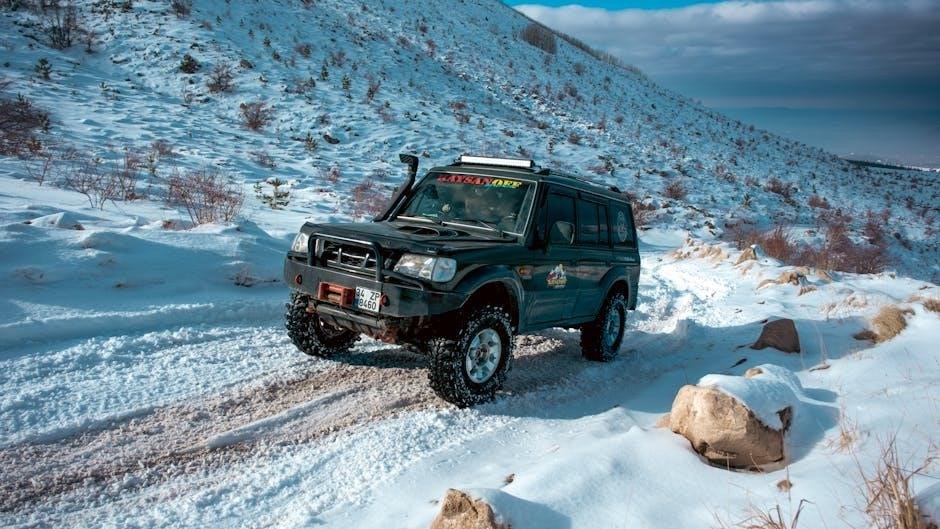
Key Features to Consider When Choosing AT Tires
Selecting the ideal AT tire involves evaluating tread patterns‚ sidewall durability‚ rubber compounds‚ and crucial load/speed ratings for optimal performance and safety.
Tread Pattern and Design
The tread pattern is paramount in an all-terrain tire’s performance profile. Closer spaced tread elements‚ as seen in the Yokohama Geolandar X-AT‚ generally enhance on-road ride quality and noise reduction. Conversely‚ more aggressive‚ widely spaced patterns excel in off-road conditions‚ providing superior grip in mud‚ sand‚ and rocky terrain.
AT tire designs often incorporate a balance of both – featuring larger blocks for stability and smaller sipes for wet traction. The depth of the tread also plays a vital role; deeper treads improve off-road bite‚ while shallower treads can offer better on-road handling. Consider the primary use case; a tire leaning towards on-road comfort will prioritize closer spacing‚ while a more rugged option will emphasize aggressive block patterns for maximum off-road capability. Ultimately‚ the tread design dictates how the tire interacts with various surfaces.
Sidewall Construction and Durability
Robust sidewall construction is crucial for all-terrain tires‚ protecting against punctures and abrasions encountered during off-road adventures. The Yokohama Geolandar X-AT uniquely offers dual sidewall options‚ allowing drivers to select a design prioritizing aesthetics or enhanced durability. Reinforced sidewalls‚ a common feature in AT tires‚ utilize thicker rubber compounds and strengthened ply construction.
This added protection is vital when navigating rocky trails or challenging terrain where sidewall damage is a significant risk. However‚ stiffer sidewalls can sometimes compromise ride comfort on paved roads. Manufacturers balance durability with flexibility to achieve optimal performance across various conditions. Examining the ply rating and rubber composition provides insight into a tire’s sidewall strength and resistance to damage‚ ensuring longevity and reliability.
Rubber Compound and its Impact on Performance
The rubber compound significantly influences an all-terrain tire’s performance characteristics‚ impacting grip‚ wear resistance‚ and temperature sensitivity. Softer compounds generally provide superior grip on rocks and loose surfaces‚ enhancing off-road traction‚ but they tend to wear faster on pavement. Conversely‚ harder compounds offer extended tread life for highway driving but may reduce grip in challenging off-road situations.
Manufacturers often utilize specialized compounds designed to balance these competing demands. The Cooper Discoverer Road Trail AT prioritizes on-road handling‚ suggesting a compound geared towards pavement performance. Considerations like silica content and polymer blends affect the tire’s ability to remain pliable in cold weather and resist hardening in extreme heat‚ ultimately influencing safety and longevity.
Load Rating and Speed Rating Explained
Understanding load and speed ratings is crucial for safe all-terrain tire selection. The load rating‚ indicated by a numerical code on the tire sidewall (e.g.‚ 115T)‚ represents the maximum weight each tire can support when properly inflated. Exceeding this limit compromises tire integrity and safety. The speed rating‚ denoted by a letter‚ signifies the maximum speed the tire can sustain for a prolonged period.
For example‚ the Cooper Discoverer Road Trail AT‚ with a 115T rating‚ can handle a substantial load at speeds up to 118 mph. It’s vital to match or exceed your vehicle’s original equipment (OE) load and speed ratings. Downsizing can be dangerous‚ while upsizing requires careful consideration of vehicle capabilities and potential handling changes.
Popular All-Terrain Tire Models – A Comparison
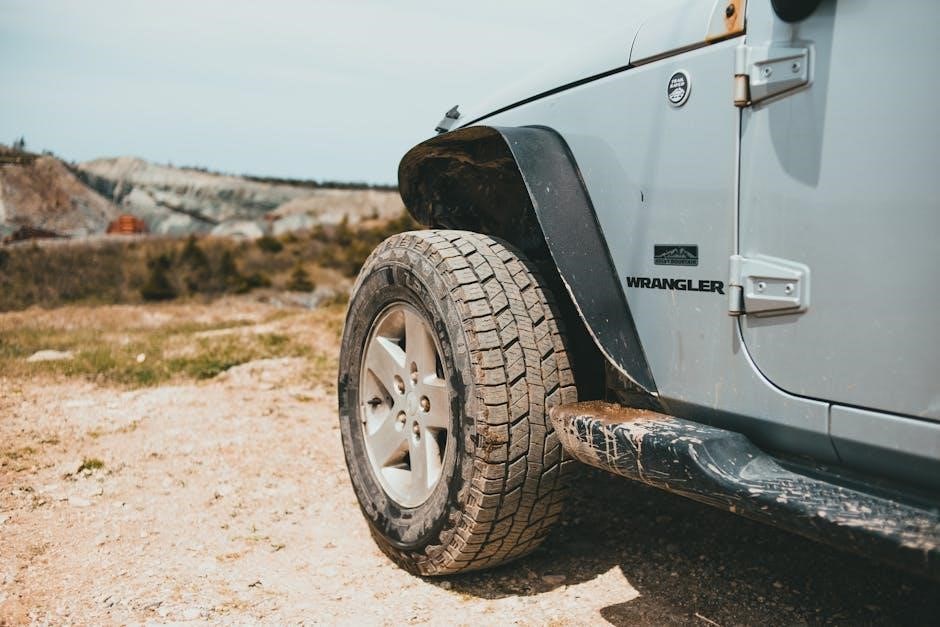
Several standout AT tires cater to diverse needs. Cooper‚ Yokohama‚ BFGoodrich‚ and General offer compelling options‚ each balancing on-road comfort with rugged off-road performance capabilities.
Cooper Discoverer Road Trail AT: On-Road Focus
The Cooper Discoverer Road Trail AT distinguishes itself as a predominantly on-road all-terrain tire‚ skillfully balancing essential commuter aspects with minimal drawbacks. This tire excels in providing remarkably refined handling‚ seamlessly integrating with its impressive traction levels‚ creating a confident and comfortable driving experience for everyday use.
While capable off-road‚ its primary strength lies in its on-pavement performance. Reviewers note a slight area for improvement in tone blending‚ suggesting a minor refinement could further enhance the overall driving experience. However‚ this is a small consideration given the tire’s overall strengths.
For drivers prioritizing on-road comfort‚ quiet operation‚ and predictable handling alongside moderate off-road capability‚ the Cooper Discoverer Road Trail AT presents a compelling and well-rounded choice. It’s a tire designed for those who occasionally venture off the beaten path but primarily stick to paved roads.
Yokohama Geolandar X-AT: Dual Sidewall Options
The Yokohama Geolandar X-AT stands out with its innovative dual sidewall design‚ offering drivers the unique ability to customize the tire’s appearance to suit their personal preference. This feature allows you to select between two distinct sidewall patterns‚ providing both aesthetic versatility and a touch of individuality.
Beyond its visual appeal‚ the Geolandar X-AT delivers strong all-around performance. Tire Rack’s comprehensive all-terrain tire comparison highlighted its exceptional ride quality‚ achieving the best results in this category among the twelve tires tested. The closer spacing of its tread elements contributed significantly to this smooth and comfortable ride.
This tire effectively balances on-road refinement with capable off-road traction‚ making it a versatile choice for drivers seeking a tire that performs well in a variety of conditions. The dual sidewall option is a significant differentiator in a competitive market.
BFGoodrich All-Terrain T/A KO2: A Rugged Classic
The BFGoodrich All-Terrain T/A KO2 is a long-standing icon in the all-terrain tire world‚ renowned for its durability and aggressive tread pattern. It’s a tire that has consistently proven itself capable in challenging off-road conditions‚ earning a loyal following among truck and SUV enthusiasts.
This tire isn’t just about ruggedness; it also offers respectable on-road manners‚ making it a viable daily driver option for those who frequently venture off the beaten path. The KO2’s design incorporates features aimed at enhancing traction in mud‚ sand‚ and rocky terrain‚ providing confidence when exploring diverse landscapes.
While specific results from Tire Rack’s comparison weren’t detailed in the provided text‚ the KO2’s reputation speaks for itself. It remains a popular choice for those seeking a reliable and capable all-terrain tire with a proven track record.
General Grabber ATX: Versatility and Value
The General Grabber ATX positions itself as a strong contender in the all-terrain tire market‚ focusing on delivering a balanced blend of performance characteristics and affordability. It aims to provide drivers with a versatile option suitable for both on and off-road adventures without breaking the bank.
While detailed performance data from Tire Rack wasn’t explicitly provided‚ the Grabber ATX is often highlighted for its ability to handle a variety of terrains effectively. It’s designed to offer good traction in mud‚ sand‚ and gravel‚ while still maintaining acceptable ride quality and noise levels on paved roads.
This tire represents a compelling choice for drivers seeking a capable all-terrain tire that doesn’t compromise on value‚ offering a practical solution for everyday driving and occasional off-road excursions.
Performance Characteristics of AT Tires
All-terrain tires excel in diverse conditions‚ providing traction on various surfaces‚ combining off-road capability with on-road handling‚ and ensuring safety in wet weather.
On-Road Performance: Ride Quality and Noise Levels
Evaluating on-road performance with all-terrain tires involves assessing ride quality and noise levels‚ crucial for daily driving comfort. The Cooper Discoverer Road Trail AT stands out with its very nice handling‚ feeling appropriately matched to its traction capabilities‚ making it a strong contender for primarily on-road use. However‚ a slight improvement in tone blending could further enhance the driving experience.
Yokohama Geolandar X-AT also demonstrates commendable ride quality‚ achieving the best results in Tire Rack’s all-terrain tire comparison‚ thanks to its closely spaced tread elements. Generally‚ AT tires introduce more road noise compared to standard highway tires due to their aggressive tread patterns designed for off-road grip. Finding a balance between off-road capability and on-road refinement is key‚ and newer AT tire designs are increasingly focused on minimizing noise without sacrificing performance.
Off-Road Traction: Mud‚ Sand‚ and Rocks
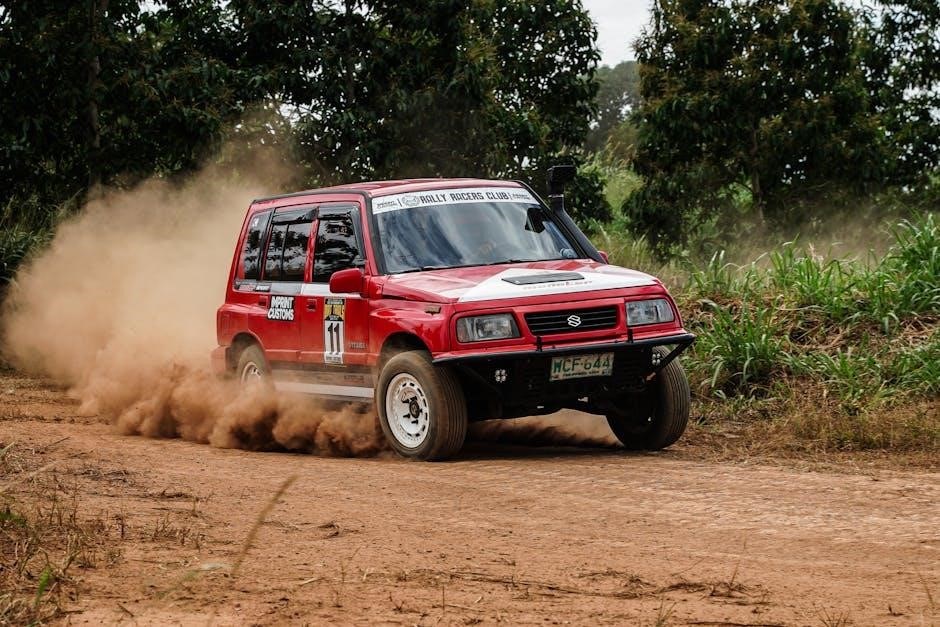
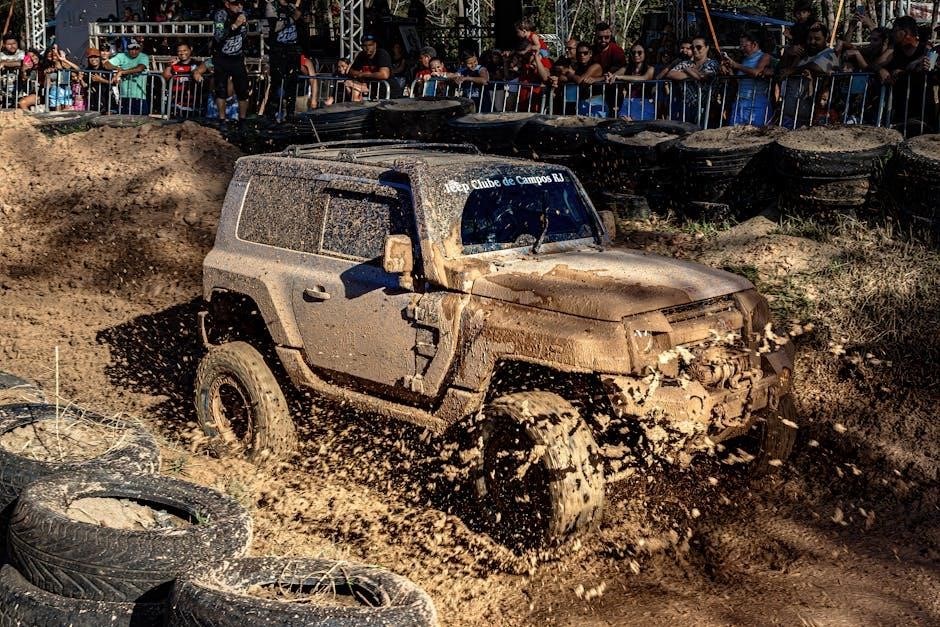
All-terrain tires excel in providing traction across varied off-road surfaces like mud‚ sand‚ and rocky terrain. Their open tread designs‚ a hallmark of off-road tires‚ are combined with the handling characteristics expected from street tires‚ creating a versatile all-purpose solution. The Yokohama Geolandar X-AT’s dual sidewall options allow drivers to customize their tire’s appearance and potentially optimize performance for specific terrains.
While specific performance details for mud‚ sand‚ and rocks weren’t explicitly provided‚ the general nature of AT tires suggests good capability in these conditions. Aggressive tread patterns dig into loose surfaces for grip‚ while reinforced sidewalls offer protection against punctures and abrasions. Tire Rack’s comparison of twelve A/T tires highlights the diverse performance characteristics available‚ suggesting that some models prioritize off-road traction more than others‚ catering to different driving styles and needs.
Wet and Winter Performance: Safety Considerations
All-terrain tires require careful consideration regarding wet and winter performance‚ as their focus on off-road traction can sometimes compromise grip on slick surfaces. While AT tires offer a degree of all-weather capability‚ they generally don’t match the specialized performance of dedicated winter or rain tires. The 3-Peak Mountain Snowflake (3PMSF) rating is a crucial indicator of a tire’s suitability for severe snow conditions; tires with this rating have undergone specific testing to ensure adequate snow traction.
Drivers should be aware that the wider tread voids designed for mud and sand can reduce contact patch on wet pavement‚ potentially increasing hydroplaning risk. Reduced contact also impacts braking distances. Careful driving habits‚ reduced speeds‚ and increased following distances are essential when operating AT tires in wet or winter conditions to maintain safety.

Tire Rack All-Terrain Tire Comparison Results
Tire Rack’s comprehensive all-terrain tire comparison‚ evaluating twelve A/T tires‚ provides valuable insights for informed purchasing decisions. The Yokohama Geolandar X-AT notably excelled in ride quality and overall comfort during testing‚ benefiting from its closely spaced tread elements. This contributed to a quieter and smoother on-road experience compared to more aggressively treaded options.
The comparison assessed performance across various metrics‚ including on-road handling‚ off-road traction‚ and braking distances. Results highlight the trade-offs inherent in AT tire design – tires prioritizing off-road capability often sacrifice some on-road refinement. The Cooper Discoverer Road Trail AT stood out for its balanced performance‚ leaning towards on-road comfort while still providing adequate off-road traction.

Choosing the Right AT Tire for Your Vehicle
Selecting the ideal AT tire hinges on vehicle type‚ intended usage‚ budget‚ and proper fitment; professional installation ensures optimal performance and longevity.
Vehicle Type and Usage
Determining the appropriate all-terrain tire begins with understanding your vehicle and how you primarily use it; For trucks and SUVs frequently venturing off-road‚ a more aggressive tread pattern‚ like that found on the BFGoodrich All-Terrain T/A KO2 or General Grabber ATX‚ is beneficial. These tires prioritize traction in mud‚ sand‚ and rocky terrain.
However‚ if your vehicle is mainly a daily driver with occasional off-road excursions‚ a tire like the Cooper Discoverer Road Trail AT might be a better fit. It emphasizes on-road comfort and handling while still providing adequate off-road capability. Consider the weight of your vehicle; heavier vehicles require tires with higher load ratings.
Furthermore‚ think about the type of off-roading you’ll be doing. Light trails demand less aggressive tires than challenging rock crawling. Yokohama Geolandar X-AT offers dual sidewall options for varied aesthetics and performance needs.

Understanding Tire Sizes and Fitment
Correct tire sizing and fitment are crucial for safety and performance. A typical tire size‚ like 265/70R17 115T SL (as seen with the Cooper Discoverer Road Trail AT)‚ breaks down as follows: 265 is the section width in millimeters‚ 70 is the aspect ratio (sidewall height as a percentage of width)‚ R denotes radial construction‚ 17 is the wheel diameter in inches‚ 115 is the load index‚ and T is the speed rating.
Always consult your vehicle’s owner’s manual or doorjamb sticker for the recommended tire size. Deviating from this size can affect speedometer accuracy‚ handling‚ and potentially cause rubbing. Consider the load rating to ensure the tire can support your vehicle’s weight‚ especially when carrying cargo or towing.
Proper fitment also involves checking for adequate clearance between the tire and suspension components. Professional installation ensures correct mounting and balancing.
Budget Considerations
All-terrain tires span a wide price range‚ influencing your final choice. While premium options like BFGoodrich All-Terrain T/A KO2 often command a higher price due to their reputation and durability‚ excellent value can be found in tires like the General Grabber ATX. Consider your driving needs; a primarily on-road driver might prioritize a more affordable‚ road-focused AT tire like the Cooper Discoverer Road Trail AT.
Remember to factor in installation costs‚ balancing‚ and potential alignment checks. Don’t solely focus on the initial tire price; longevity and treadwear are vital. A slightly more expensive tire with a longer lifespan could prove more cost-effective in the long run.
Researching online retailers and local tire shops can reveal competitive pricing and available rebates.
Professional Installation and Maintenance
Proper installation is crucial for optimal all-terrain tire performance and safety. Seek a qualified tire technician for mounting‚ balancing‚ and valve stem replacement. Ensure correct tire fitment for your vehicle‚ verifying the load and speed ratings match or exceed manufacturer specifications.
Regular maintenance extends tire life and maintains performance. Monthly tire pressure checks are essential‚ adjusting to the vehicle’s recommended PSI (found on the doorjamb sticker). Rotate tires every 5‚000-8‚000 miles to promote even treadwear;
Inspect tires for damage – cuts‚ bulges‚ or uneven wear – and address issues promptly. Wheel alignments are vital‚ especially after off-road use‚ to prevent premature wear and ensure proper handling.
Advanced AT Tire Technologies
Modern AT tires feature innovations like 3PMSF ratings‚ reinforced sidewalls‚ and optimized tread void ratios‚ enhancing winter grip‚ durability‚ and overall traction performance.
3-Peak Mountain Snowflake (3PMSF) Rating
The 3-Peak Mountain Snowflake (3PMSF) symbol is a crucial indicator of a tire’s severe snow service performance. Tires bearing this mark have met specific snow traction requirements established by the Rubber Manufacturers Association (RMA). This rating signifies that the tire provides a significantly higher level of snow traction than tires without the symbol‚ offering enhanced safety and control in winter driving conditions.
For all-terrain tires‚ the 3PMSF rating is particularly valuable‚ as many drivers utilize these tires year-round. It demonstrates the tire’s capability to handle more than just light snow‚ providing confidence during heavier snowfall and icy conditions. When selecting AT tires for areas with substantial winter weather‚ prioritizing those with the 3PMSF rating is highly recommended. This ensures reliable performance and contributes to safer winter journeys.
Reinforced Sidewall Protection
All-terrain tires frequently encounter challenging terrains‚ increasing the risk of sidewall damage from rocks‚ sharp objects‚ and impacts. Reinforced sidewall protection is a critical feature designed to mitigate this risk‚ enhancing the tire’s durability and longevity. This protection typically involves utilizing stronger sidewall compounds and construction techniques‚ such as adding extra layers of ply material or incorporating specialized sidewall inserts.
Tires with reinforced sidewalls offer increased resistance to punctures‚ cuts‚ and abrasions‚ allowing drivers to confidently navigate rough trails without fear of debilitating sidewall failures. This feature is particularly beneficial for off-road enthusiasts and those who frequently drive in areas with hazardous road conditions. Investing in AT tires with robust sidewall protection translates to greater peace of mind and reduced maintenance costs over the tire’s lifespan.
Optimized Tread Void Ratio
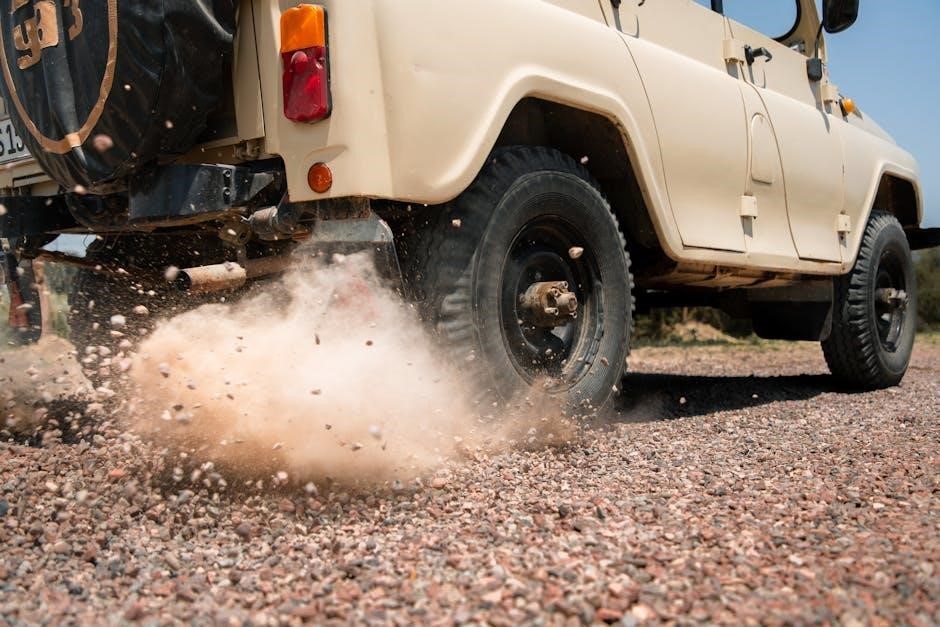
A crucial aspect of all-terrain tire performance lies in the optimized tread void ratio – the balance between the tire’s tread blocks and the empty spaces (voids) between them. This ratio significantly impacts the tire’s ability to evacuate mud‚ water‚ and debris‚ directly influencing traction in various conditions. A higher void ratio generally excels in muddy or snowy environments‚ allowing for efficient self-cleaning and improved grip.
However‚ an excessively high void ratio can compromise on-road handling and stability. Therefore‚ manufacturers carefully engineer the tread void ratio to strike a harmonious balance. Optimized designs feature strategically placed voids that maximize off-road performance without sacrificing on-road comfort and responsiveness. This careful calibration ensures that the tire delivers reliable traction across a wide spectrum of terrains and driving scenarios‚ enhancing overall versatility.