
Forensic science‚ detailed in resources like the pdf “Guide to Forensic Accounting Investigation Techniques‚” is pivotal in modern investigations.
It blends scientific principles with legal frameworks‚ offering crucial insights into criminal activities and aiding in accurate reconstructions of events.
Understanding these fundamentals‚ as explored in texts like “Forensic Science: Its Application in Crime Scene Investigation‚” is essential for effective analysis.
These investigations require meticulous documentation‚ adhering to strict protocols to maintain evidence integrity throughout the entire process.
Defining Forensic Science
Forensic science is the application of scientific principles and techniques to matters of law‚ encompassing a broad spectrum of disciplines. It’s not a single field‚ but rather an umbrella term for diverse areas like chemistry‚ biology‚ physics‚ and accounting‚ all geared towards aiding legal proceedings.
As highlighted in resources like the “Guide to Forensic Accounting Investigation Techniques” (pdf)‚ the core aim is to provide objective‚ factual information to courts of law. This information can be crucial in establishing guilt or innocence‚ reconstructing crime scenes‚ and identifying individuals involved in criminal activity.
The field relies heavily on the analysis of evidence – physical‚ digital‚ or testimonial – using established scientific methodologies. “Forensic Science: Its Application in Crime Scene Investigation” emphasizes the importance of rigorous testing and validation of techniques.
Furthermore‚ forensic science isn’t limited to criminal investigations; it also plays a vital role in civil cases‚ regulatory compliance‚ and even historical analysis. The discipline continually evolves with advancements in technology‚ demanding ongoing education and adaptation from practitioners.
Ultimately‚ it’s about using science to speak for the evidence;
The Role of Forensics in Investigations
Forensics plays a critical‚ multifaceted role throughout the entire investigative process‚ extending far beyond simply analyzing evidence at a crime scene. It begins with initial scene assessment‚ meticulously documenting conditions and collecting potential evidence‚ as detailed in various investigation manuals.
The analysis of collected evidence – whether it’s suspected drugs (as noted in recent guidelines) or digital data – provides crucial leads and helps establish timelines. Resources like the “Guide to Forensic Accounting Investigation Techniques” (pdf) demonstrate its importance in financial crimes.
Forensic findings can corroborate or refute witness testimonies‚ strengthen or weaken suspect alibis‚ and ultimately‚ provide the objective basis for building a strong case;
Furthermore‚ forensic science aids in identifying unknown substances‚ linking suspects to crime scenes‚ and even exonerating wrongly accused individuals. The police’s utilization of forensic evidence‚ though relatively under-explored‚ is vital to the criminal justice system.
Its reliability and validity are paramount‚ demanding adherence to strict protocols and continuous validation of techniques.
Historical Overview of Forensic Development
The development of forensic science is a fascinating journey‚ evolving from rudimentary observations to sophisticated‚ scientifically-backed methodologies. Early pioneers utilized basic principles of observation and deduction‚ laying the groundwork for modern techniques. The field gained momentum with advancements in chemistry and biology during the 19th century.
Significant milestones include the development of fingerprinting‚ pioneered by figures like Sir Francis Galton‚ and the application of toxicology in criminal investigations.
The 20th century witnessed an explosion of forensic disciplines‚ including forensic anthropology and archaeology – as highlighted in introductory texts – and the emergence of forensic accounting‚ crucial for investigating financial crimes (documented in pdf guides).
More recently‚ the advent of DNA analysis revolutionized the field‚ providing an unprecedented level of accuracy in identifying perpetrators and exonerating the innocent. Digital forensics‚ a relatively new discipline‚ addresses the challenges posed by technology‚ including encryption and cloud storage.
Today‚ ongoing research and technological innovation continue to shape the future of forensic science.

Core Principles of Forensic Investigations
Forensic investigations rely on foundational principles like Locard’s Exchange‚ ensuring every contact leaves a trace. Maintaining a strict chain of custody‚ and detailed documentation‚ are vital.
These principles guarantee evidence integrity.
Locard’s Exchange Principle
Locard’s Exchange Principle‚ a cornerstone of forensic science‚ postulates that every contact leaves a trace. This fundamental concept‚ articulated by Edmond Locard‚ asserts that when a person comes into contact with an object or another person‚ a cross-transfer of materials occurs.
These materials can be microscopic‚ such as fibers‚ hairs‚ pollen‚ or skin cells‚ or macroscopic‚ like fingerprints or footprints. The principle’s significance lies in its ability to connect individuals to crime scenes or victims through the identification and analysis of these transferred materials.
Investigations leverage this principle by meticulously collecting and examining evidence for traces of foreign substances. For example‚ fibers found on a suspect’s clothing might link them to a crime scene‚ or soil particles on a victim’s shoes could indicate their location prior to an incident.
The effectiveness of forensic analysis hinges on the accurate identification and interpretation of these exchanged materials‚ requiring specialized techniques and expertise. Understanding Locard’s principle is crucial for investigators to properly assess evidence and reconstruct events‚ ultimately contributing to successful case resolutions.
Chain of Custody and Evidence Integrity
Maintaining a meticulous chain of custody is paramount in forensic investigations‚ ensuring the admissibility of evidence in court. This process documents the chronological history of evidence‚ detailing every individual who handled it‚ from collection to presentation.
A complete record includes dates‚ times‚ locations‚ and the purpose of each transfer‚ safeguarding against potential contamination‚ tampering‚ or loss. Any break in the chain can compromise the evidence’s integrity‚ rendering it unusable.
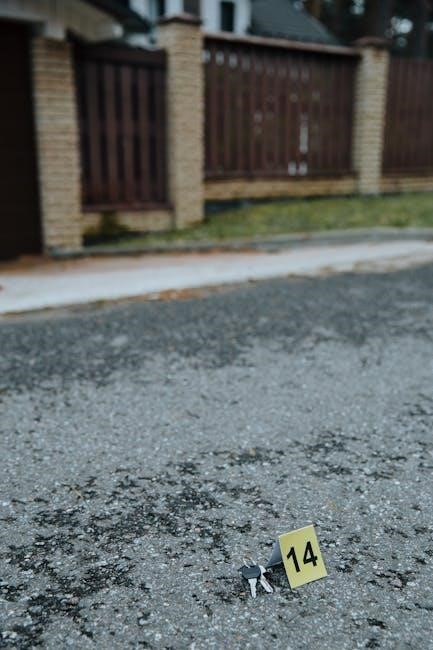
Evidence integrity relies on proper packaging‚ labeling‚ and storage protocols‚ preventing degradation or alteration. Forensic guidelines‚ often detailed in pdf manuals like those for accounting investigations‚ emphasize secure containers and controlled environments.
Strict adherence to these procedures demonstrates the evidence’s reliability and authenticity. Investigators must prioritize documentation and accountability‚ recognizing that a robust chain of custody is fundamental to a just and accurate legal outcome. Compromised evidence can lead to wrongful convictions or acquittals.
Documentation and Reporting in Forensic Work
Comprehensive documentation is the cornerstone of credible forensic work‚ forming a detailed audit trail of every step taken during an investigation. This includes meticulous notes on scene observations‚ evidence collection‚ analysis procedures‚ and all associated data.
Forensic reports‚ often referencing guidelines found in pdf resources on accounting investigations‚ must be clear‚ concise‚ and objective‚ presenting findings without bias or speculation. They should detail methodologies used‚ results obtained‚ and any limitations encountered.
Photographs‚ sketches‚ and diagrams are crucial components‚ visually representing the scene and evidence. All documentation must be securely stored and readily accessible for review. Proper record-keeping ensures transparency and allows for independent verification of results.
Accurate and thorough reporting is vital for legal proceedings‚ enabling courts to assess the validity and reliability of forensic evidence. Maintaining detailed records demonstrates professionalism and accountability‚ upholding the integrity of the investigation.

Digital Forensics: A Deep Dive
Digital forensic investigations‚ increasingly complex due to encryption and cloud storage‚ require specialized techniques. Resources like pdf guides detail these methods for evidence recovery.
Analyzing digital evidence is crucial in modern investigations.
Digital evidence encompasses information stored or transmitted in binary form‚ requiring specialized handling during forensic investigations. This includes data found on computers‚ smartphones‚ storage devices‚ and networks‚ often documented in pdf guides detailing best practices.
Unlike traditional evidence‚ digital data is often volatile and easily altered‚ demanding strict adherence to chain-of-custody protocols. The sheer volume of digital information presents a significant challenge‚ necessitating efficient collection and analysis techniques.
Sources of digital evidence are diverse‚ ranging from email communications and web browsing history to social media posts and financial records. Password-protected pdf files‚ like the example “x.pdf‚” frequently require decryption as part of the investigative process.
Understanding file systems‚ data carving‚ and metadata analysis are fundamental skills for digital forensic investigators. The increasing prevalence of cloud storage adds another layer of complexity‚ requiring investigators to obtain data from third-party providers‚ often with legal authorization.
Properly identifying‚ preserving‚ and analyzing digital evidence is paramount to ensuring its admissibility in court and achieving a just outcome.
Digital Investigation Techniques
Digital investigation techniques encompass a range of methodologies for extracting and analyzing data from digital devices. These techniques‚ often detailed in forensic investigations pdf guides‚ begin with proper imaging – creating a bit-for-bit copy of the original storage medium to preserve evidence integrity.
Forensic tools are then employed to recover deleted files‚ analyze file systems‚ and identify relevant artifacts. Techniques like hashing ensure data hasn’t been tampered with‚ while keyword searching helps locate specific information within large datasets.
Network forensics involves capturing and analyzing network traffic to identify malicious activity or trace communication patterns. Timeline analysis reconstructs events by ordering digital artifacts based on timestamps.
Ultimately‚ successful digital investigations rely on a combination of technical expertise‚ meticulous documentation‚ and a thorough understanding of legal principles.
Challenges of Digital Forensics (Encryption‚ Cloud Storage)
Digital forensics faces escalating challenges‚ prominently featuring encryption and the proliferation of cloud storage. Encryption‚ as noted in discussions of modern forensic investigations pdf resources‚ significantly hinders data access‚ requiring substantial time and resources for decryption – if possible at all.
Cloud storage introduces jurisdictional complexities‚ as data may reside on servers in multiple countries with varying legal frameworks. Obtaining warrants and preserving evidence across these boundaries can be incredibly difficult.
The ephemeral nature of cloud data – its potential for remote wiping or alteration – demands rapid response and proactive preservation strategies.
Anti-forensic techniques‚ employed by individuals attempting to conceal their activities‚ further complicate matters. These include data hiding‚ steganography‚ and the use of anonymizing tools. Investigators must stay ahead of these evolving tactics.
Furthermore‚ the sheer volume of data generated daily presents a significant analytical hurdle. Effectively sifting through this data to identify relevant evidence requires advanced tools and skilled analysts.

Forensic Anthropology and Archaeology
Forensic anthropology and archaeology‚ detailed in resources like Blau and Ubelaker’s work‚ analyze skeletal remains and recover buried evidence.
These disciplines aid in identifying missing persons and reconstructing past events‚ crucial for investigations.
Analyzing Skeletal Remains
Forensic anthropology’s core function involves the meticulous analysis of skeletal remains‚ providing vital clues in investigations. This process begins with determining if the remains are human or non-human‚ a fundamental distinction. Once confirmed as human‚ anthropologists estimate age‚ sex‚ ancestry‚ and stature‚ utilizing established osteological techniques.
Skeletal trauma‚ such as fractures or sharp force injuries‚ is carefully documented and analyzed to determine the potential cause and manner of death. These injuries can reveal information about the weapon used and the sequence of events. Dental analysis plays a crucial role‚ as teeth are remarkably durable and can provide valuable insights into age‚ diet‚ and individual identification.
Furthermore‚ skeletal remains can exhibit signs of disease or nutritional deficiencies‚ offering clues about the individual’s life history. The analysis extends to identifying any modifications made to the remains‚ potentially indicating postmortem manipulation. This comprehensive approach‚ detailed in resources exploring forensic fundamentals and investigations‚ transforms skeletal remains into a powerful source of information for investigators.
Forensic Archaeology: Recovering Buried Evidence
Forensic archaeology applies archaeological techniques to legal contexts‚ specializing in the recovery of buried evidence. This discipline is crucial when remains or artifacts are concealed‚ often in clandestine graves or disturbed soil. Archaeologists meticulously excavate sites‚ employing precise mapping and documentation methods to record the location of every item discovered.
Unlike traditional archaeology‚ forensic archaeology prioritizes maintaining the legal chain of custody. Each item is carefully removed‚ photographed‚ and documented in situ before being collected as evidence. Soil analysis is also vital‚ revealing information about the burial environment and potential disturbances. The goal is to reconstruct the events surrounding the burial‚ providing context for the recovered remains.
This process‚ detailed in resources covering forensic fundamentals and investigations‚ requires a collaborative approach‚ often working alongside anthropologists and other forensic specialists. Recovering buried evidence demands patience‚ precision‚ and a thorough understanding of archaeological principles applied to criminal investigations.
Applications in Identifying Missing Persons
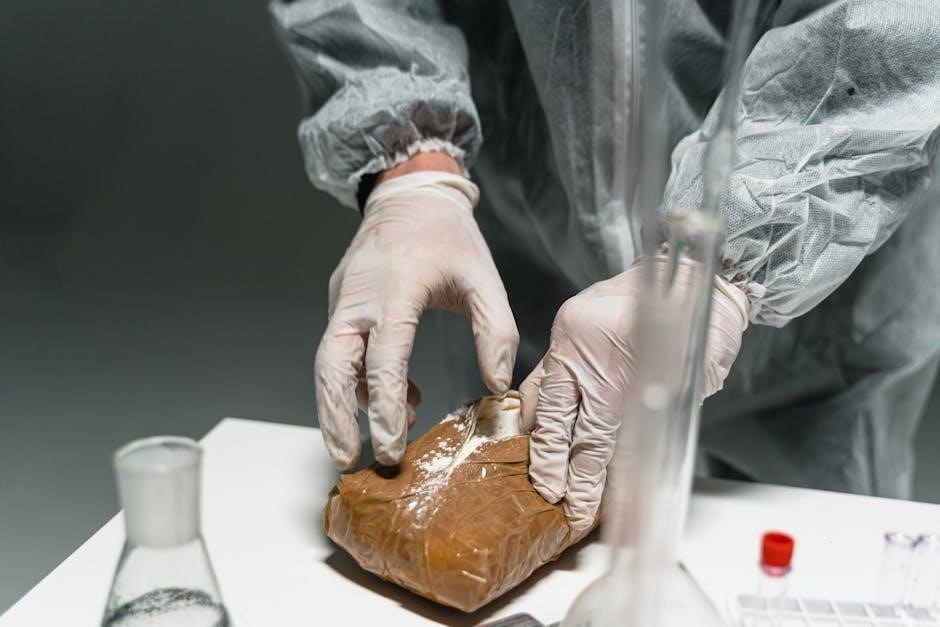
Forensic anthropology plays a critical role in identifying missing persons‚ particularly when skeletal remains are discovered. Utilizing detailed analysis of bone structure‚ anthropologists can estimate age‚ sex‚ ancestry‚ and stature‚ creating a biological profile of the individual; This profile is then compared to records of missing persons‚ narrowing down potential matches.
Trauma analysis on skeletal remains can reveal the cause and manner of death‚ providing vital clues to investigators. Forensic archaeology‚ as discussed in resources on forensic fundamentals and investigations‚ aids in the careful excavation and recovery of remains‚ preserving crucial contextual information. Dental records and DNA analysis are often employed for positive identification‚ offering definitive confirmation.
The collaborative nature of these investigations‚ combining anthropological expertise with archaeological recovery and advanced scientific techniques‚ significantly increases the chances of bringing closure to families and resolving long-standing missing person cases.

Forensic Accounting Investigations
Forensic accounting‚ detailed in a “Guide to Forensic Accounting Investigation Techniques‚” uncovers financial fraud and illicit activities.
It applies accounting skills to legal problems‚ crucial for investigations involving financial crimes and asset tracing.
Fraud Detection and Financial Analysis
Fraud detection within forensic accounting relies heavily on meticulous financial analysis‚ scrutinizing records for anomalies and irregularities. This process‚ often guided by resources like the “Guide to Forensic Accounting Investigation Techniques‚” involves examining financial statements‚ bank records‚ and other relevant documentation to identify potential fraudulent activities.
Techniques employed include ratio analysis‚ trend analysis‚ and variance analysis‚ allowing investigators to pinpoint unusual patterns or discrepancies that may indicate wrongdoing. Investigators also utilize data mining and analytical software to sift through large datasets‚ uncovering hidden connections and suspicious transactions.
The goal is to establish a clear audit trail‚ tracing funds and identifying individuals involved in the fraudulent scheme. This often requires reconstructing financial records and performing detailed calculations to quantify the extent of the financial loss. Understanding the motivations behind the fraud – whether it’s embezzlement‚ corruption‚ or financial statement manipulation – is also crucial for a successful investigation.
Ultimately‚ the findings from financial analysis are presented as evidence in legal proceedings‚ supporting the prosecution of perpetrators and the recovery of stolen assets.
Investigating Forest Crime (Specific Techniques)
Investigating forest crime demands specialized techniques‚ detailed within resources like the “Guide to Forensic Accounting Investigation Techniques” applied to this unique area. These investigations often center around illegal logging‚ timber smuggling‚ and wildlife poaching‚ requiring a multidisciplinary approach.
Forensic botany plays a crucial role‚ identifying tree species and tracing timber back to its origin. Chain-of-custody documentation is paramount‚ ensuring the integrity of wood samples and other evidence. Remote sensing technologies‚ including satellite imagery and drone surveillance‚ are used to detect illegal logging activities and monitor forest areas.
Financial investigations are also essential‚ following the money trail to uncover the networks involved in timber smuggling. This includes analyzing trade records‚ identifying shell companies‚ and tracking financial transactions. DNA analysis can be used to identify poached wildlife and link it to specific individuals.
Collaboration between law enforcement‚ forestry agencies‚ and forensic experts is vital for successful prosecution of forest crimes‚ preserving vital ecosystems.
WADA and Anti-Doping Investigations

The World Anti-Doping Agency (WADA) significantly enhances doping investigations‚ as outlined in its 2015 Code‚ emphasizing improved information sharing between anti-doping organizations globally. These investigations rely heavily on forensic science to detect prohibited substances and methods used by athletes.
Forensic analysis of urine and blood samples is central‚ employing techniques like gas chromatography-mass spectrometry (GC-MS) and liquid chromatography-mass spectrometry (LC-MS) to identify banned substances. Investigations extend beyond sample analysis‚ encompassing intelligence gathering and athlete biological passports‚ tracking physiological markers over time.

WADA’s investigations also address complex cases involving sophisticated doping schemes‚ requiring collaboration with law enforcement and forensic accounting experts to uncover financial incentives and networks supporting doping activities. Maintaining strict chain-of-custody protocols is crucial for ensuring the admissibility of evidence.
These rigorous processes uphold the integrity of sport and protect clean athletes‚ guided by forensic fundamentals and detailed in relevant investigations pdf resources.

Forensic Science and Criminal Justice
Forensic evidence is vital in criminal investigations‚ though relatively under-explored‚ demanding reliability and validity.
Legal considerations surrounding evidence presentation‚ detailed in investigations pdf guides‚ are paramount for just outcomes.
Police Use of Forensic Evidence
Forensic evidence plays a crucial‚ yet often under-examined‚ role in modern policing and criminal investigations. Law enforcement agencies rely heavily on scientific analysis to establish facts‚ connect suspects to crime scenes‚ and build compelling cases for prosecution. The effective utilization of forensic science requires officers to understand the capabilities and limitations of various techniques‚ ranging from DNA analysis and ballistics to digital forensics and trace evidence examination.
As highlighted in resources like investigations pdf guides‚ proper evidence collection‚ preservation‚ and documentation are paramount. Maintaining a strict chain of custody is essential to ensure the admissibility of evidence in court. Police departments increasingly collaborate with forensic laboratories and specialists to interpret complex data and present findings in a clear and understandable manner.
However‚ challenges remain‚ including potential biases in evidence interpretation‚ the need for ongoing training in emerging forensic technologies‚ and ensuring that forensic analysis aligns with legal standards and constitutional rights. The responsible and ethical application of forensic science is vital for upholding justice and maintaining public trust in the criminal justice system.
Reliability and Validity of Forensic Techniques
Ensuring the reliability and validity of forensic techniques is paramount to the integrity of the criminal justice system. While forensic science offers powerful tools for investigation‚ it’s crucial to acknowledge that not all techniques are created equal. Some methods‚ like DNA analysis‚ boast a high degree of scientific validation and established error rates‚ while others‚ historically used‚ have faced scrutiny regarding their accuracy and potential for subjective interpretation.
Resources like forensics fundamentals and investigations pdf materials emphasize the importance of rigorous testing‚ standardization‚ and quality control in forensic laboratories. Blind proficiency testing‚ where analysts are presented with samples without knowing their origin‚ helps assess competence and identify potential biases.
Furthermore‚ ongoing research is vital to refine existing techniques and develop new ones‚ addressing limitations and minimizing the risk of wrongful convictions. The legal system increasingly demands that forensic evidence be supported by sound scientific methodology and transparent reporting of uncertainties‚ ensuring fairness and accuracy in judicial proceedings.
Legal Considerations in Forensic Evidence Presentation
The presentation of forensic evidence in court is governed by strict legal rules and procedures‚ demanding meticulous adherence to established standards. Understanding these considerations is crucial for both forensic scientists and legal professionals. The admissibility of evidence hinges on factors like the reliability of the technique used‚ proper chain of custody documentation‚ and the qualifications of the expert witness presenting the findings.
Forensics fundamentals and investigations pdf resources highlight the importance of the Daubert Standard and Frye Standard‚ which courts use to assess the scientific validity of expert testimony. Experts must clearly articulate the scientific basis of their conclusions‚ potential error rates‚ and any limitations of the analysis.
Furthermore‚ rules of evidence dictate how forensic evidence can be introduced‚ challenged‚ and interpreted by juries. Proper handling of evidence‚ avoiding leading questions during testimony‚ and ensuring transparency are all vital to upholding the integrity of the legal process and achieving just outcomes.