
Safety 1st Thermometer Manual: A Comprehensive Guide
Welcome! This guide provides essential information for operating your Safety 1st thermometer‚ including safety regulations and detailed instructions.
Carefully read the manual before initial use to ensure accurate temperature readings and safe operation of your infrared thermometer (IR-T3 CONDTROL).
Safety 1st has long been a trusted name in child safety‚ and their thermometers are designed with both accuracy and user-friendliness in mind. These thermometers‚ including infrared models like the IR-T3 CONDTROL‚ offer a quick and convenient way to monitor body temperature without causing discomfort. Understanding the features and proper usage of your Safety 1st thermometer is crucial for obtaining reliable results.
This manual serves as a comprehensive resource‚ guiding you through every aspect of thermometer operation‚ from initial setup and battery installation to interpreting readings and troubleshooting potential issues. Before first use‚ it’s essential to thoroughly review the safety regulations and instructions detailed within. The user manual is an integral part of the product itself‚ containing vital warnings and guidelines to prevent inaccurate measurements or potential harm.
Whether you’ve recently purchased an infrared thermometer-hygrometer Maxwell4 CONDTROL or another Safety 1st model‚ this guide will help you maximize its benefits. Remember to heed all safety precautions to ensure the longevity of your device and‚ most importantly‚ the well-being of those you are monitoring. Proper care and maintenance‚ as outlined in the following sections‚ will contribute to years of reliable performance.
Understanding Infrared Thermometer Technology (IR-T3 CONDTROL)
Infrared (IR) thermometers‚ like the Safety 1st IR-T3 CONDTROL‚ utilize a non-contact method to measure temperature. Unlike traditional thermometers that require direct contact‚ IR thermometers detect the infrared energy emitted by an object or body. This technology allows for quick and hygienic temperature readings‚ minimizing disturbance and the risk of cross-contamination.

The IR-T3 CONDTROL specifically focuses this technology to provide accurate forehead temperature measurements. It’s important to understand that several factors can influence the accuracy of IR readings. These include ambient temperature‚ distance from the target‚ and the presence of sweat or other substances on the forehead. To avoid inaccurate measurements‚ follow the guidelines outlined in the user manual regarding optimal usage conditions.
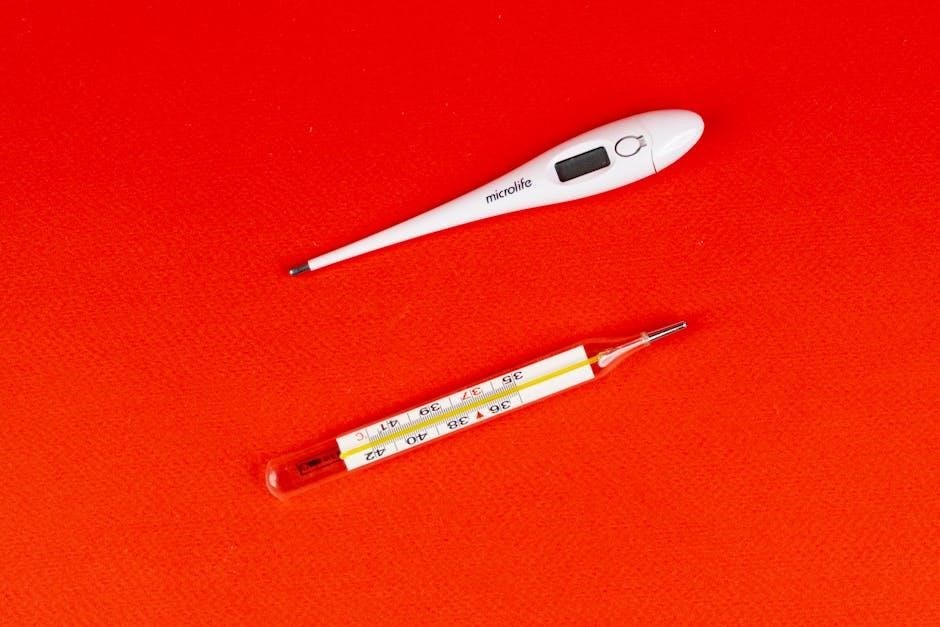
The device converts the detected infrared radiation into a temperature reading displayed on the control panel. Familiarizing yourself with the control displays and symbols is crucial for proper interpretation. This technology is designed for convenience‚ but understanding its principles ensures reliable results. Always refer to the manual for detailed explanations of the IR-T3 CONDTROL’s specific functionalities and limitations.
Safety Regulations: General Precautions
Prior to using your Safety 1st thermometer‚ carefully review all safety regulations detailed in this manual. This device is intended for household use only and should not be utilized for professional medical diagnosis. Always supervise children when they are using or being measured with the thermometer.
Attention! This user manual is an essential component of the product. Failure to adhere to the provided safety instructions may result in inaccurate readings‚ device malfunction‚ or potential personal injury. Do not attempt to disassemble or modify the thermometer in any way‚ as this will void the warranty and could create a safety hazard.
Ensure the thermometer is kept clean and dry. Avoid exposing it to extreme temperatures‚ direct sunlight‚ or excessive moisture. Regularly inspect the device for any signs of damage. If damage is detected‚ discontinue use immediately. Compliance with these safety precautions is vital for ensuring the reliable and safe operation of your Safety 1st thermometer. Always heed the warnings within the manual for optimal performance and user well-being.
Essential Parts of the User Manual
This Safety 1st thermometer manual is structured to provide a comprehensive understanding of your device. Key sections include detailed safety regulations‚ outlining crucial precautions for safe and accurate operation. You’ll find a thorough explanation of infrared thermometer technology (IR-T3 CONDTROL) and how it functions.
The manual dedicates significant space to understanding the control displays and symbols‚ ensuring you can correctly interpret readings. Step-by-step instructions guide you through the process of using the thermometer‚ from initial setup and battery installation to taking accurate temperature measurements.
Important sections also cover cleaning and maintenance procedures to prolong the life of your device‚ alongside troubleshooting common issues and deciphering error codes. Furthermore‚ the manual details safety precautions regarding potential personal injury and confirms compliance with relevant safety regulations for electronic devices. Finally‚ responsible disposal and recycling information is provided‚ completing a holistic guide to your Safety 1st thermometer.
Reading the Manual Before First Use
Prior to operating your Safety 1st thermometer‚ carefully reading this user manual is absolutely essential. It’s not merely a suggestion‚ but a critical step to ensure both accurate temperature readings and your personal safety. The manual contains vital safety regulations that must be understood before initial use.
Familiarizing yourself with the device’s functions‚ control displays‚ and symbols will prevent misinterpretation of results. Understanding how the infrared technology (IR-T3 CONDTROL) operates is key to proper usage. Ignoring the instructions could lead to inaccurate measurements or even potential harm.

This manual is an integral part of the product itself; it’s not a separate‚ optional document. Pay close attention to the safety instructions‚ warnings‚ and troubleshooting guidance. Proper operation and longevity of your thermometer depend on a thorough understanding of its features and limitations‚ as outlined within these pages. Don’t skip this crucial step!
Important Safety Instructions
To guarantee safe and reliable operation of your Safety 1st thermometer‚ adhere strictly to the following safety instructions. Failure to comply may result in inaccurate readings‚ device malfunction‚ or even personal injury. This device is designed for specific purposes; misuse can be hazardous.
Always avoid directing the thermometer at eyes or other sensitive body parts. Do not immerse the device in water or any other liquid. Keep it away from extreme temperatures and direct sunlight. Ensure the lens is clean and free from obstructions for accurate measurements.
Warning! This instrument contains delicate electronic components. Do not attempt to disassemble or repair the thermometer yourself. If a malfunction occurs‚ contact qualified service personnel. Always supervise children when they are using the thermometer. Proper disposal‚ in accordance with local regulations‚ is crucial when the device reaches the end of its life. Heed all warnings within this manual to prevent controller or peripheral product malfunction.
How the Thermometer Measures Temperature
This Safety 1st thermometer utilizes infrared (IR) technology to detect and measure temperature without physical contact. The device senses the thermal radiation emitted by the object being measured and converts this energy into a temperature reading. This non-invasive method provides a quick and hygienic way to assess temperature.
The accuracy of the measurement depends on several factors‚ including the emissivity of the target surface and the distance from the thermometer. Emissivity refers to the object’s ability to radiate infrared energy; surfaces with lower emissivity may require adjustments for accurate readings. Maintaining the correct distance‚ as specified in the manual‚ is also critical.
To avoid inaccurate measurements‚ ensure there are no obstructions between the thermometer and the target. Avoid taking readings in environments with significant temperature fluctuations or strong electromagnetic interference. Regularly calibrate the device‚ if applicable‚ to maintain optimal performance. Understanding these principles ensures reliable and consistent temperature assessments.
Control Displays and Symbols Explained
The Safety 1st thermometer’s display panel provides crucial information at a glance. Familiarizing yourself with these indicators is essential for proper operation. Common symbols include a power indicator‚ battery level‚ measurement mode (body‚ surface‚ etc.)‚ and a reading hold function.
Error codes are also displayed to alert you to potential issues‚ such as low battery or out-of-range readings. A specific symbol might indicate a malfunction requiring troubleshooting or professional assistance. The display will clearly show the measured temperature in your selected unit (Celsius or Fahrenheit).
Pay close attention to any warning symbols that appear‚ as these signify potential hazards or incorrect usage. The manual provides a detailed explanation of each symbol‚ ensuring you understand the thermometer’s status and can interpret the readings accurately. Understanding these displays allows for confident and informed temperature monitoring‚ maximizing the device’s utility and ensuring safe operation.
Setting Up Your Safety 1st Thermometer
Before first use‚ carefully unpack your Safety 1st thermometer and inspect it for any visible damage. Remove all packaging materials and ensure all components are present. Initial setup involves inserting the batteries (refer to the ‘Battery Installation’ section for detailed instructions).
Once the batteries are installed‚ power on the device. You may be prompted to select your preferred temperature unit – Celsius or Fahrenheit. This setting can usually be adjusted via a button on the device or within the settings menu. Familiarize yourself with the location of all buttons and their corresponding functions.
It’s recommended to perform a test measurement to verify the thermometer is functioning correctly. Ensure the device is held correctly and aimed at the intended surface or body part. Refer to the ‘Using the Thermometer’ section for proper measurement techniques. Proper setup ensures accurate readings and a smooth user experience‚ maximizing the benefits of your new thermometer.

Battery Installation and Replacement
Your Safety 1st thermometer requires batteries to operate. Typically‚ these thermometers utilize standard AAA or AA batteries‚ though the specific type will be indicated on the battery compartment. To install‚ locate the battery compartment‚ usually on the back or bottom of the device. Gently slide off the battery cover.
Insert the batteries according to the polarity markings (+ and -) inside the compartment. Incorrect battery insertion can damage the thermometer. Ensure the batteries are securely seated. Replace the battery cover‚ ensuring it clicks into place.
When the battery indicator displays low power‚ replace the batteries immediately. Do not mix old and new batteries‚ or different types of batteries. Dispose of used batteries responsibly‚ following local regulations for electronic waste. Proper battery maintenance ensures consistent and reliable performance of your Safety 1st thermometer. Always remove batteries for prolonged storage to prevent leakage and damage.
Using the Thermometer: Step-by-Step Guide
To begin‚ ensure the thermometer is properly set up with fresh batteries‚ as detailed in the previous section. Power on the device using the power button. Allow a brief warm-up period for accurate readings. For infrared thermometers‚ point the device towards the forehead or object you wish to measure‚ maintaining the recommended distance (typically within a few inches).
Press the scan button to initiate the temperature reading. The result will be displayed on the screen within seconds. Ensure there is no obstruction between the thermometer and the target surface. Avoid movement during measurement for optimal accuracy.
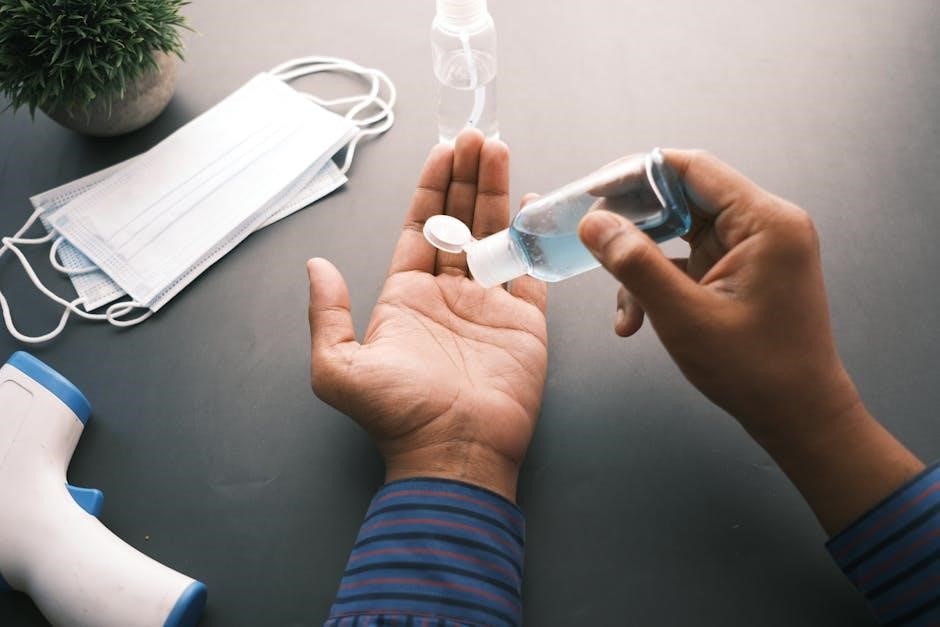
For hygrometer models‚ the display will also show humidity levels. Familiarize yourself with the control displays and symbols to interpret the readings correctly. After use‚ power off the thermometer to conserve battery life. Regularly clean the lens and housing to maintain hygiene and accuracy. Refer to the troubleshooting section if you encounter any issues during operation.
Cleaning and Maintenance
Regular cleaning is crucial for maintaining the accuracy and hygiene of your Safety 1st thermometer. Before cleaning‚ always ensure the device is powered off and the batteries are removed. Use a soft‚ dry cloth to wipe the exterior housing and lens. Avoid using abrasive cleaners‚ solvents‚ or excessive moisture‚ as these can damage the sensor or electronic components.
For the sensor lens‚ a slightly dampened cloth with distilled water can be used‚ followed by thorough drying. Do not immerse the thermometer in water or any other liquid. Inspect the battery compartment for any signs of corrosion and clean if necessary. Store the thermometer in a cool‚ dry place‚ away from direct sunlight and extreme temperatures.
Proper maintenance extends the lifespan of your device. Avoid dropping or subjecting the thermometer to strong impacts. Regularly check the battery contacts for cleanliness. Following these simple steps will ensure reliable performance and accurate temperature readings for years to come.
Troubleshooting Common Issues
Inaccurate Readings: Ensure proper technique – maintain the correct distance and aim for the intended measurement area. Check for obstructions or interference. Low batteries can also cause inaccurate results; replace them immediately.
Device Won’t Power On: Verify battery installation polarity and ensure batteries are not depleted. If the issue persists‚ try a fresh set of batteries. Inspect the battery compartment for corrosion and clean if necessary.
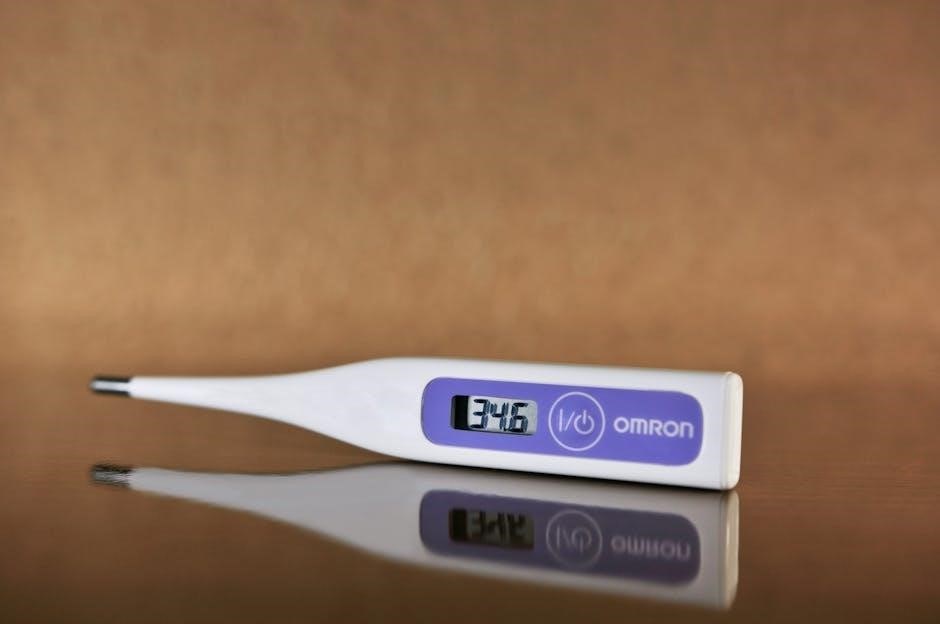
Error Codes Displayed: Refer to the “Understanding Error Codes” section of this manual for specific code meanings and recommended actions. Common errors may indicate a sensor malfunction or internal issue.
Unresponsive Buttons: Try resetting the device by removing and reinserting the batteries. If buttons remain unresponsive‚ contact customer support. Important: Do not attempt to disassemble or repair the thermometer yourself‚ as this may void the warranty and pose a safety risk. Always prioritize safety and consult the manual for guidance.
Understanding Error Codes
Error Code “Lo” or “LL”: Indicates a temperature reading below the thermometer’s measurement range. Ensure the target is within the specified operating temperature limits. Allow the thermometer to acclimate to the surrounding environment.
Error Code “Hi” or “HH”: Signals a temperature reading exceeding the thermometer’s maximum measurement range. Move the thermometer further away from the heat source or select a different measurement location.
Error Code “Err” or “E1”: Suggests a sensor malfunction or internal error. Attempt to restart the device by removing and reinserting the batteries. If the error persists‚ the thermometer may require servicing.
Error Code “Batt” or Battery Symbol Flashing: Indicates low battery power. Replace the batteries with fresh ones immediately to ensure accurate readings and proper functionality. Caution: Ignoring low battery warnings can lead to inaccurate measurements and unreliable performance. Refer to the “Battery Installation and Replacement” section for detailed instructions. Always prioritize safety and consult the manual for further assistance.
Safety Precautions Regarding Personal Injury
Caution: This thermometer is designed for measuring surface temperatures and is not intended for internal body temperature measurements. Misuse could lead to inaccurate readings and potentially harmful decisions.
Avoid Direct Contact: Never allow the thermometer to come into direct contact with skin or mucous membranes. The device measures surface temperatures‚ and direct contact can cause discomfort or injury.
Keep Away From Children: Store the thermometer out of reach of children. Small parts‚ such as the battery compartment cover‚ could pose a choking hazard. Supervise children when the thermometer is in use.
Handle with Care: Avoid dropping or subjecting the thermometer to strong impacts. Damage to the device can compromise its accuracy and safety. Inspect the thermometer regularly for any signs of physical damage. Warning: Failure to comply with safety precautions may cause malfunction or even personal injury. Always read and understand the complete user manual before operation.
Compliance with Safety Regulations for Electronic Devices
Important Notice: The Safety 1st thermometer has been engineered and rigorously tested to adhere to established safety standards for electronic devices. This commitment ensures reliable performance and minimizes potential risks during operation.
Electromagnetic Compatibility (EMC): This device is designed to operate within acceptable levels of electromagnetic interference‚ preventing disruption to other electronic equipment and ensuring accurate readings. However‚ strong electromagnetic fields may occasionally affect performance.
Safety Standards: The thermometer complies with relevant international and regional safety regulations‚ including those pertaining to electrical safety and material composition. It is free from hazardous substances exceeding permissible limits.
Operational Environment: Operate the thermometer within the specified temperature and humidity ranges outlined in the user manual. Extreme conditions can compromise accuracy and potentially damage the device. Warning: This instruction manual contains warnings for your safety and proper usage to avoid possible personal injury. Always heed the warnings and follow the guidelines provided.
Disposal and Recycling Information
Responsible Disposal: As a responsible consumer‚ please do not dispose of your Safety 1st thermometer with general household waste. Electronic devices contain valuable materials that can be recovered and reused‚ and improper disposal can harm the environment.
WEEE Directive: This product falls under the Waste Electrical and Electronic Equipment (WEEE) Directive. To comply with these regulations‚ please utilize designated collection points for electronic waste recycling in your area. These facilities ensure environmentally sound processing of the device.
Battery Disposal: Batteries used in the thermometer should be removed and disposed of separately at appropriate battery recycling facilities. Do not incinerate batteries‚ as they may contain hazardous materials.

Packaging Materials: Please recycle the packaging materials associated with your Safety 1st thermometer whenever possible. Cardboard‚ plastic‚ and other components can often be reused‚ reducing landfill waste. Remember: Remove and safely dispose of all packaging materials and labels from the appliance before first use.